




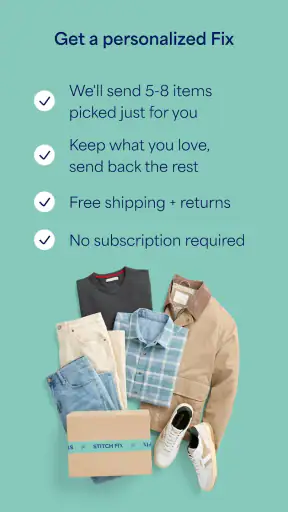


I approached Stitch Fix as a shopping app rather than a simple digital clothing catalogue. Its main idea is to make personal styling available from a phone, covering women’s, men’s, and kids’ clothing through a service developed by Stitch Fix, Inc. That changes the shopping rhythm: instead of browsing endless product grids and deciding everything alone, I can give the service information about my preferences and use it as a more guided way to think about what to wear.
That distinction matters. I do not see it as the best replacement for a quick search when I already know the exact shirt, size, or brand I want. I see it as more useful when I am tired of repeating the same outfits, unsure what suits a new situation, or shopping for someone whose style is difficult to pin down. The app is free to install, carries an Everyone age rating, and has built a strong audience, with more than a million installs and a 4.8 average from roughly 2.8 thousand ratings.
How the styling experience works in real life
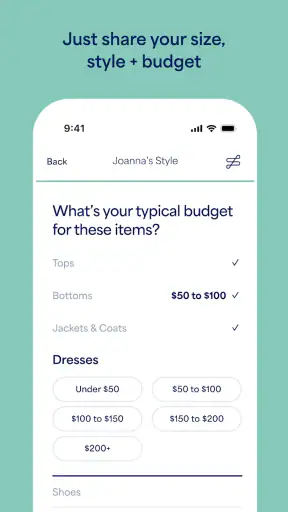
The first useful question is not whether the app looks polished, but whether I am willing to participate in the styling process. Stitch Fix works best when I treat the opening questions and preference choices as practical input rather than a formality. The more clearly I describe the kind of clothes I actually wear, the more useful the resulting direction can become. A vague profile may leave the experience feeling generic, while honest details about fit, comfort, colour, and routine give the service a better chance of feeling personal.
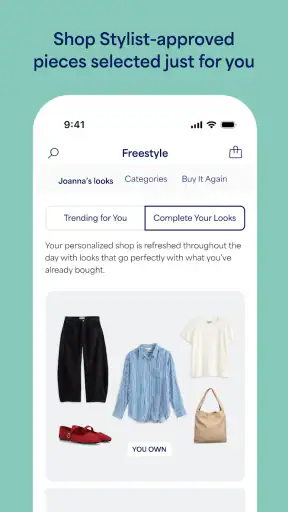
I also found that the app suits people who want help narrowing choices. Traditional shopping apps often place hundreds of items in front of me and leave the hard work untouched. Stitch Fix takes a different route: it is built around the relationship between my stated preferences and a stylist-led selection. That can be a relief when I am shopping between work, family commitments, and ordinary daily errands. I am not trying to become an expert in every clothing category; I am trying to make a reasonable decision without spending an evening comparing nearly identical options.
The useful trade-off is control. A large marketplace gives me immediate access to a broad catalogue and lets me inspect every detail before choosing. A styling service gives me more guidance, but I accept that the selection process is not entirely mine. For someone who enjoys hunting through filters, comparing sellers, and building a basket item by item, that may feel restrictive. For someone who would rather explain a need and react to a considered selection, it is a more comfortable arrangement.
Where connectivity changes the experience
The app’s most important moments naturally depend on communication with the service. Entering preferences, viewing styling-related content, and moving through shopping decisions are not isolated phone activities in the way a calculator or downloaded reading app might be. I would use it with a reliable connection, especially when I am trying to make a decision quickly. A weak signal can turn a smooth browsing session into a sequence of waiting screens, and that is particularly frustrating when I am already trying to shop during a short break.
This is why I would not plan a complete clothing session around a crowded train journey or a place where mobile reception is unpredictable. I might open the app casually in those situations, but I would save serious profile work and selection decisions for a stable connection. The service is more enjoyable when images, account information, and shopping steps appear without interruption. That is not a minor technical detail; it affects whether the app feels like a helpful stylist or an extra obstacle between me and a purchase.
A practical habit is to decide what I want to accomplish before opening it. If I only have a few minutes, I can review a selection or note an idea. If I need to update preferences carefully, I would wait until I have time and dependable connectivity. This small change prevents the app from becoming another half-finished task on my phone.
Using it in mobile situations
Stitch Fix is especially suited to moments when I want shopping advice without sitting at a computer. I can think about clothing while preparing for a new job, planning a holiday, refreshing children’s wardrobes, or trying to move beyond a dependable but repetitive uniform. The phone format makes the service feel less like a formal shopping trip and more like an ongoing conversation about what I might wear next.
One realistic example is a parent preparing for a change of season. Instead of waiting until every child needs several items at once, I could use the app to consider clothing needs in smaller sessions. I might review ideas while waiting outside school, then return later when I have more time to think about sizes, comfort, and what is already in the wardrobe. The benefit is not simply convenience. It is the ability to break a stressful shopping project into manageable decisions.
The same approach works for an adult who has a busy schedule and a wardrobe that no longer matches daily life. Someone moving from remote work into a more polished office routine may know that the old clothes are not enough but may not know what to buy first. A guided styling app can help turn that vague problem into a more focused conversation about practical outfits. I would still compare the suggestions with my budget and existing clothes, but I would not be starting from an empty page.
The phone can also make feedback more immediate. If a particular colour, cut, or type of garment does not suit me, I should say so rather than quietly accepting a poor match. Honest feedback is one of the more important advanced habits here: the service can only become more relevant if I use the interaction to correct assumptions. Saying “I never wear this” is more useful than simply deciding that the app is not personal enough.
What happens when a session goes wrong
Every connected shopping experience has moments that do not go perfectly. A page may take too long to load, a session may be interrupted, or I may lose track of where I was after switching between apps. My advice is to avoid making a rushed purchase decision just because I finally reached a screen after a delay. If the connection has been unstable, I would close the loop only after checking that the information and choices on screen are current.
Recovery is easier when I treat the app as a process rather than a single uninterrupted visit. I can return later, review the relevant selection again, and check my choices calmly. That is also why I would keep my expectations realistic: Stitch Fix is not a magic shortcut that removes every clothing decision. It reduces the amount of searching, but I still need to judge whether an item fits my lifestyle, whether it works with what I own, and whether I genuinely want it.
Another useful recovery technique is to refine the profile instead of abandoning the service after one disappointing result. A first selection may reveal that my description was too broad or that I did not explain an important restriction. I would use that experience as feedback. If I dislike a fabric, avoid a certain fit, or need clothes for a specific routine, I should make that clear. The app becomes more valuable when I actively teach it what “good” means for me.
There is also a human side to recovery. If I am shopping for another person, especially a child or partner, I would not assume that my preferences represent theirs. I would involve them in the choices and use the app as a starting point for discussion. That avoids one of the easiest mistakes in personal styling: confusing convenience for understanding.
Making sensible use of mobile data
Because the experience is visual and account-based, I would be mindful of where I use it. On a home or trusted Wi-Fi connection, browsing is the more comfortable option. When using mobile data, I would avoid repeatedly reopening the same sections just to pass time, particularly if I am in an area with a weak signal. Repeated loading is not only inefficient; it can make a simple browsing session feel much slower.
I would also separate planning from impulse. If I am on a limited connection while commuting, I can think about what I need and return when I can review the service properly. This is a better use of the app than tapping through clothing choices simply because I have a spare minute. A short, intentional visit is more likely to produce useful feedback than distracted scrolling.
Privacy and account awareness matter in any shopping app, so I would read each screen before confirming a choice and keep track of what I am sharing about my preferences. Personal styling depends on personal information, but that does not mean I should rush through questions. I would answer only as carefully as I would in a conversation with a real stylist. The goal is relevant guidance, not the largest possible profile.
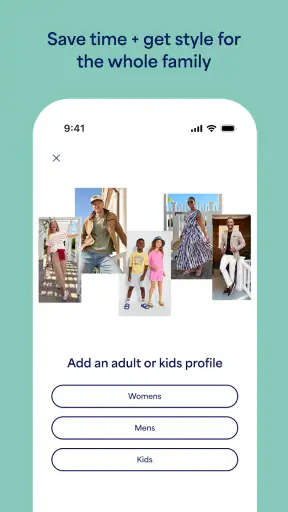
For families, I would be particularly careful about switching between people’s needs. Kids’ clothing, men’s clothing, and women’s clothing can involve very different requirements, and a hurried mobile session can blur them together. I would handle one person at a time, review the intended recipient before continuing, and keep notes about what has already been considered. That simple workflow makes the app more useful than treating it as one shared, cluttered shopping list.
Who will get the most from it
I think Stitch Fix is a strong match for people who feel overwhelmed by clothing choice, want a nudge toward a more coherent wardrobe, or need help shopping across different stages of family life. It is also appealing to anyone who dislikes spending hours searching but still wants something more personal than a generic “recommended for you” row. The app’s focus on styling gives it a clearer purpose than a general retailer app.
It can be especially helpful when the problem is not a lack of clothes but a lack of direction. I have often found that the hardest part of shopping is identifying what would actually improve a wardrobe. A guided selection can expose a gap, suggest a combination I had not considered, or encourage me to describe my preferences more precisely. Even when I do not choose everything, that process can make later shopping elsewhere more efficient.
The service is less convincing for a shopper who wants the lowest possible price, immediate product comparison, or complete control over every available option. A conventional retailer may be better when I need a specific black jumper today, want to compare several prices, or already know the exact measurements and materials I prefer. Stitch Fix is also not the right fit for someone who dislikes giving feedback or does not want a stylistic service to influence the selection.
I would be cautious about using it as a substitute for trying on clothes when fit is unusually difficult. Personal guidance can reduce uncertainty, but it cannot remove the reality that bodies, cuts, and fabrics behave differently. I would use the service to improve the search, not to pretend that clothing fit is predictable from a phone screen.
How it compares with ordinary shopping apps
General shopping apps are built for inventory discovery. Their strengths are breadth, direct searching, filters, and the ability to compare products quickly. Stitch Fix is built around reducing that search burden through personal styling. The difference is not simply presentation; it is the role I play. In a marketplace, I am the editor of a huge catalogue. Here, I am giving direction to a more guided process.
That makes the two approaches complementary rather than interchangeable. I might use Stitch Fix when I need ideas and a clearer sense of direction, then use a standard retailer when I need a precise replacement or want to verify a particular item. If I already know exactly what I want, the usual alternative will probably feel faster. If I know only that my wardrobe is not working, the styling approach has more value.
The app also differs from social inspiration platforms. Inspiration feeds can show attractive outfits, but they often leave me to identify the individual pieces, judge whether they suit my life, and find comparable options. Stitch Fix is more practical because it starts from my own needs rather than from an endless stream of other people’s looks. I still need personal judgement, but the path from uncertainty to a possible wardrobe choice is shorter.
Small habits that improve the results
My first tip is to describe real behaviour instead of an idealised version of myself. If I mostly wear comfortable basics but occasionally need smarter clothes, I would say that. Pretending that I dress formally every day may produce suggestions that look appealing but remain untouched in the wardrobe. The best styling input is honest enough to reflect ordinary mornings, not just special occasions.
My second tip is to use feedback comparatively. Rather than saying only that I dislike an item, I would explain what made it wrong: the shape, colour, level of formality, or practical feel. This turns a rejection into useful direction. It also helps separate a bad individual choice from a broader problem with the profile.
My third tip is to think in outfits, not isolated pieces. Before reviewing a selection, I would consider what I already own and what a new item needs to work with. A garment that looks good alone may be less useful if it creates another awkward combination. The app is more valuable when I use its styling perspective to build a workable wardrobe rather than chase novelty.
Finally, I would avoid judging the whole service during a rushed or poorly connected session. The network-dependent parts of the experience deserve enough time to load and enough attention to review properly. If I am distracted, switching between family members, or trying to shop in a hurry, the result says as much about the situation as it does about the app.
My overall view of the mobile experience
Stitch Fix, from Stitch Fix, Inc, is a free shopping app with an Everyone rating and a release history that began on August 28, 2018. Its 947 written reviews and broad adoption suggest that the concept has found an audience, but my recommendation is based more on how clearly it solves a particular problem: reducing the effort involved in deciding what clothing might suit me or my family.
I like it most when I approach it as a guided styling tool, not as an all-purpose clothing marketplace. Its connected nature means I would use a dependable network, give the app focused attention, and return calmly if a session is interrupted. Those habits make a meaningful difference because the service depends on an exchange of preferences, selections, and reactions rather than one quick search.
My verdict is simple: choose Stitch Fix when you want direction more than endless choice. It is a thoughtful option for busy shoppers, people rebuilding a wardrobe, and families that need a more personal route through clothing decisions. I would skip it when I need an exact item immediately, want to compare every alternative myself, or prefer shopping without a styling layer. Used in the right situation, it makes mobile clothing shopping feel less like a catalogue and more like a practical conversation about what I will actually wear.


